


The Evolution of Modern Dental Implants: Precision and Longevity
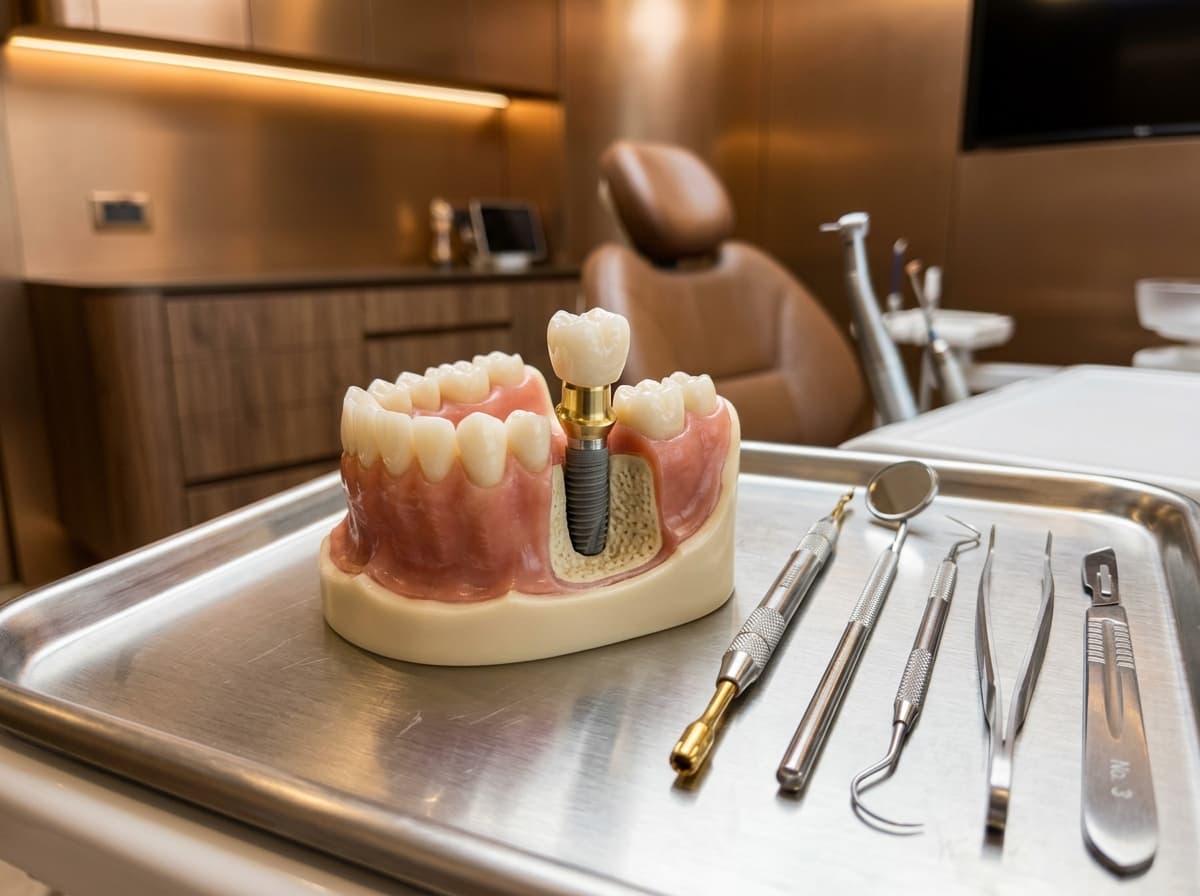
A New Standard in Restorative Dentistry
Dental implants have revolutionized restorative dental care over the last two decades. Gone are the days of imprecise manual positioning; modern implantology relies on high-resolution 3D Cone Beam Computed Tomography (CBCT) coupled with computer-guided surgical templates.
Biological Integration & Osseointegration
The true secret of long-term implant success lies in osseointegration—the direct structural and functional connection between living bone and the surface of a load-carrying titanium or zirconia implant. Advanced hydrophilic surface treatments accelerate this healing cascade, allowing patients to enjoy fully functional restorations in significantly compressed treatment windows.
Preserving Natural Facial Architecture
Beyond chewing efficiency and cosmetic restoration, dental implants perform a critical physiological role: they provide the mechanical stimulation necessary to arrest alveolar bone resorption. By maintaining bone density, implants protect the natural contours of your lips, cheeks, and youthful facial profile.